


Soil Mapping in Agriculture - Technology & Methods
There are more than 700 different types of soil across England and Wales alone, and as such, soil can vary significantly over a relatively small area.
Therefore, it is no surprised that land on individual farms can be made up of several different soil types, each of which reacts differently to weather events and stresses, and each requiring different management practices to produce profitable crops.
As a result, the ability to accurately map the soil on your farm is key to successful farming, as well as helping growers to move to a more precision-based inputs routine that helps to save money and limit environment impact.
But how accurately can soil be mapped and how is this achieved? And what types of technology are employed to carry mapping out?
In this article, we map out what soil mapping is, how it is done, and the benefits it can create in terms of farm efficiency and environmental protection.
What is a soil map?
So, what actually is a soil map and what does it include?
As the name implies, a soil map is simply a map that details the different types of soil that exist within a specific area. They can be created for relatively small areas such as individual fields or farms, or on much larger scales, taking in entire regions.
But just documenting the different soil types provides little in the way of useful information for growers or agronomists.
As a results, soil maps that are employed in agriculture generally include a lot more information such as soil fertility, pH, levels of organic matter, texture, depth of soil horizons, and more.
By combining these data, a grower or agronomist can build up a detailed picture of the different soil types on a farm and make key, informed decisions about what to grow where and when, and what inputs will be needed.
As sustainability and regen approaches to farming gain momentum, soil maps have also started to include information about the wider aspects of a field such as associated habitats and geographical features such as hedges, as well as land use.
These are essential for initiatives such as wildlife recovery and plotting where habitat can be created or managed for biodiversity, and as such constitute important considerations for farmers.
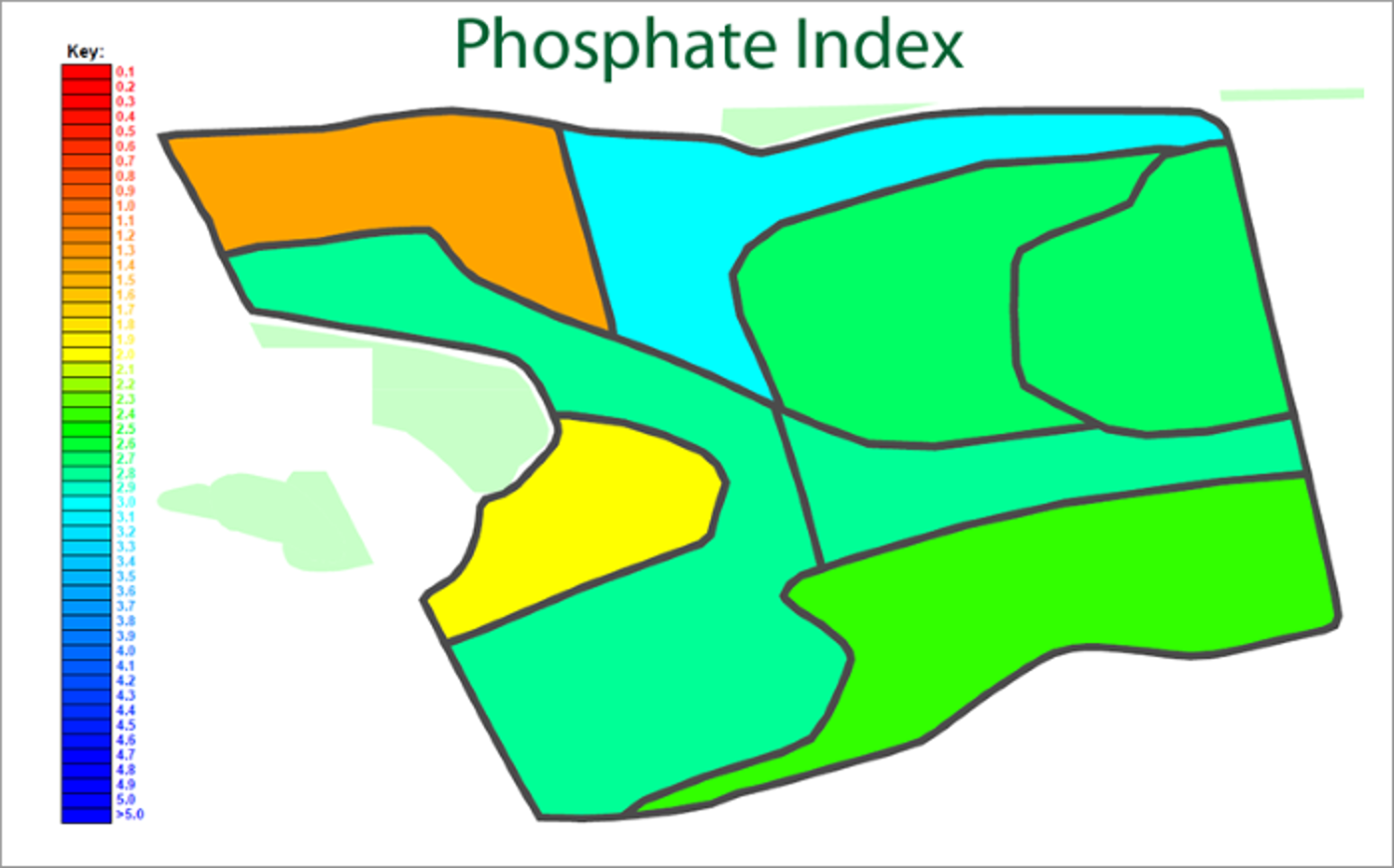
Soil P Index map
Risk assessments
As well as recording what soil types are where and the properties of those soils, soil maps are also vital for documenting risks.
These might include the risk of soil erosion, runoff, leaching, nutrient deficiency, compaction, and other issues. A comprehensive map enables plans to be put in place to address or manage these issues to ensure they do not get worse.
Types of soil maps
There are a number of different types of soil map used in the UK, including capability maps, soilscapes, thematic maps, and point data, each looking at slightly different things.
Capability maps, for example, classify land according to the purpose the land is capable of being put to, such as agriculture or other uses, and take into consideration information such as the impact of climate change and landscape features.
Soilscapes provide detailed descriptions of soil qualities at specific locations and include such things as texture, drainage, fertility, and associated habitats.
Thematic maps drill down further than this and focus on the distribution of specific soil properties such as soil organic matter or metal binding capacity.
Point data includes taking soil samples at specific locations to provide detailed data on the properties of the soil, and how it changes across an area.
Whereas these constitute different approaches to mapping soil, the most comprehensive map can only be produced by combining data from all of these to create a full picture of the soil types present on a farm. Once this has been done, growers and agronomists are able to make better decisions around what to grow where, and how to manage those crops for optimal yield, health, and quality.
Soil mapping methods
There are a range of techniques that are employed to create soil maps, from time-honoured approaches such as taking physical soil samples to highly technical methods involving satellite imagery and advanced soil sensors.
However, before soil types and qualities can be investigated and documented, geographical features such as land boundaries must be established so the mapped area can be defined.
Once the land boundaries have been identified, traditionally, the soil was manually sampled at many points within the surveyed area. This provided detailed information about the changing soil types across a farm and helped growers make better decisions around land use and the crop inputs required.
However, advances in technology such as RHIZA’s Contour platform, have made producing detailed soil maps easier, more efficient and more comprehensive.
For example, remote sensing and satellite imagery can now be used to indicate soil properties such as pH, texture, nutrient levels, and soil organic matter over large areas, which can be more accurately tested in-field to produce a detailed picture of the land.
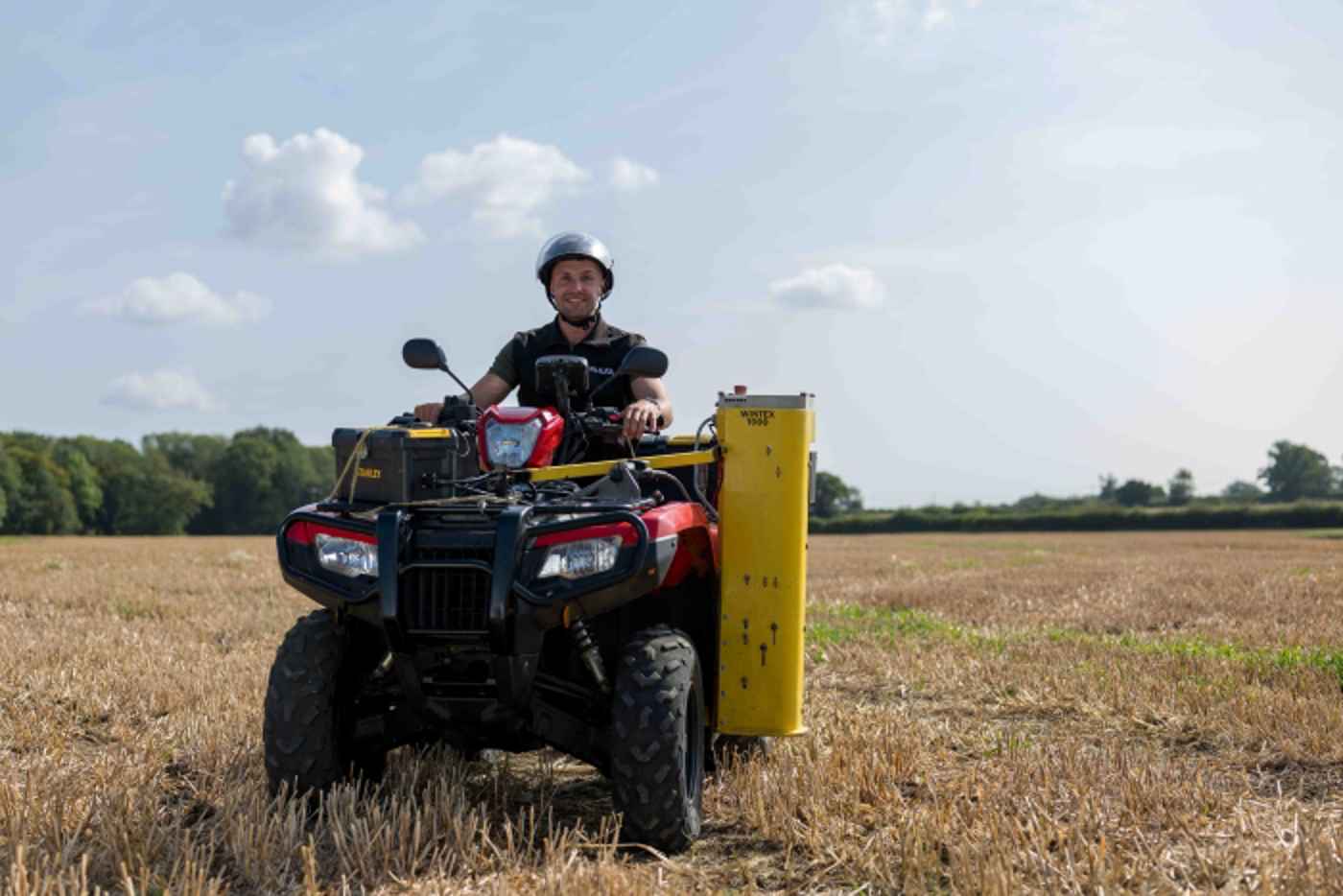
Our gold package, which uses Veris electroconductivity maps, even enables soil textures to be identified, which is integral to seed establishment, soil nutrition, the soil’s ability to hold water, and nutrient leaching.
All this can be plotted on to a detailed soil map that enables growers and agronomists to tailor their approach to crop production. This, in turn, helps the farm business to be more profitable by the efficient use of inputs, and helps to minimise the environmental impact of the farming operations.
Summary
Soil mapping has a been an important part of farming for many years, offering growers and agronomists important insights into what soil types make up a farm and how effective those soils are for growing crops.
However, as technology has advanced, a far more detailed picture of soil can now be created, revealing its precise make-up and how it will react to weather events and climate change.
This enables growers to make better decisions about what to grow and what crop inputs are required to ensure crop health, yield, and quality are optimum.
It also enables the most efficient use of crop inputs, as they can be tailored precisely to meet the soil’s needs, even within an individual field.
By applying inputs based on the precise requirements of the crop rather than at a blanket, field-level rate, significant savings can be made, making for more efficient use of fertilisers, pesticides and herbicides.
Not only does this produces more profitable crops, it also limits leaching and reduces environmental impact.
RHIZA Digital Farming Knowledge Hub - Practical Guides and Insights
For those looking to explore the detail, we’ve created a growing library of technical guides covering soil performance, crop monitoring, compliance and precision decision support.
Digital Farming Knowledge Hub - Soil and Nutrient Foundations

Agricultural Soil Testing & Sampling

Soil Mapping in Agriculture

EC Levels in Soil - Measurement, Scanning & Testing

The Importance of Soil pH

What is Potash?
