


Precision Agriculture and the Future of Smart Farming
It may be one of the oldest professions in the world, but farming embraces technology at the same rate as any other industry.
It is this approach that is powering the precision agriculture revolution, which aims to reduce input use by providing just the right amount of nutrient or chemical where it is needed, at a time it will have most impact.
By doing this, the farmer not only saves money by avoiding blanket chemical applications and reducing the number of passes, but it also has improved environmental outcomes.
Now, with the introduction of AI into farming, the use of data to make more informing growing decisions is set to accelerate at a rapid pace.
In this article, we take a close look at precision agriculture and the different technologies it employs.
What is Precision Agriculture?
As the name would suggest, precision agriculture uses data to help farmers and agronomists make better decisions about what farm inputs need to be applied to a crop when, and in what quantities.
By using the correct amount of chemical at the right time, farmers can not only preserve or enhance plant health and crop yields, they can reduce input use and therefore costs.
The approach might be taken at full-crop level, but often smaller areas within a crop can be targeted for more or less chemical input.
As well as enhancing economic outcomes for the grower, by applying nutrients and crop protection products in the right quantities and at the right time, reductions in leaching can be achieved which in turn helps protect water ways and other sensitive environments.
Therefore, precision agriculture is not just good for the farmer’s pocket, but also for the wider environment.
Precision agriculture is divided into several stages including data collection, data analysis, decision making, and record keeping, and involves technology at almost every stage.
By combining this technology with the years of experience most farmers and agronomists have amassed, the best outcomes are achieved for a farm business.
Examples of Precision Agriculture
There are many different technologies utilised in precision agriculture. The most commonly used include:
Soil sensors
Soil sensors measure a number of parameters including soil moisture content, electrical conductivity, temperature, pH, and in some cases even nutrient movement.
They are inserted into soil at different depths and locations with the data they collect relayed back to the famer through software or apps. This provides clear insights into which areas need watering and when, or other applications to enhance soil health. It also prevents over-watering, detects dry or drought areas early and helps to improve water use efficiency and yields.
Drones
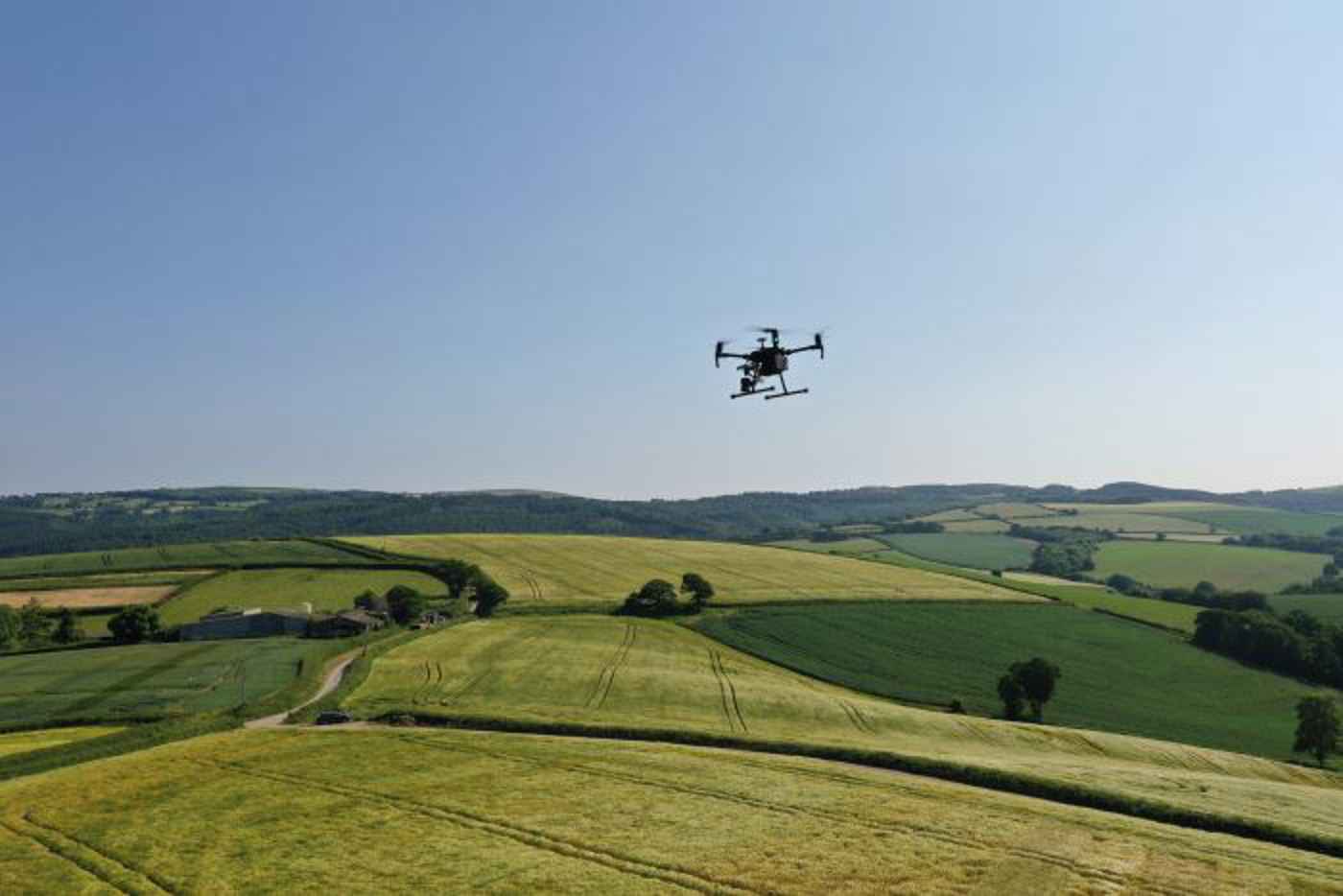
Drones are an essential part of precision agriculture. They are used to capture images and data to help farmers make better decisions.
One area where drones bring significant value is improving the quality of field walking for agronomists. Drones move quickly and collect data at a rate humans cannot match, bringing huge efficiencies to the agronomist’s job.
For example, the images collected by drones can be converted to land-maps and field surveys, which can be used to make yield predictions.
Normalised Difference Vegetation Index (NDVI) and multispectral imaging, carried out by drones and employed by RHIZA’s Contour, are used to detect diseases and pests, as well as other tasks such as soil analysis with 3D maps and modelling.
As well as providing vital data, drones are incredibly useful in helping farmers with grant applications and ensuring they remain compliant. After all, there is no better way to plot physical issues on the land such as blocked drainage systems than by aerial view.
One area with significant potential for the future is using drone to carry out on-farm tasks.
Drone-based seed planting, fertiliser and crop protection applications are gaining popularity in parts of the world but are currently restricted in the UK and much of Europe by legislation. However, as laws evolve, this is likely to become far more commonplace in the future.
GPS for Tractors
Global Positioning Systems (GPS) is now staple technology on tractors. Using satellite data, GPS can determine the exact location of the tractor in the field while auto or guided steering ensures it follows the right path. This can lead to efficiencies in fuel use, time, and labour, and with section control, the amount of product applied to the crop.
GPS is also crucial for Variable Rate Application (VRA) when combined with data and software which is field or farm specific, ensuring inputs are delivered precisely where they are needed.
Robotic Sprayers
Currently used more in nurseries and greenhouses, robotic sprayers are likely to be seen on larger commodity crops in the not-to-distant future.
They work with cameras, Light Detection and Ranging (LiDAR) and AI sensors to scan crops, plants and leaves to determine areas which need treatment. The sprayer can select the chemical needed, how much to apply and where, which it does through electrostatic nozzles to drive greater accuracy and efficiency.
Robotic Weeders
Like robotic sprayers, robotic weeders use GPS, LiDAR and sensors to move between rows, to detect weeds and mechanically remove them without damaging the plant.
Thanks to the data being captured, the weeder can apply pesticides only where needed, and can operate at any time of day, reducing the need for manual weeding.
Autonomous Vehicles
Although by no means mainstream yet, self-driving tractors and other autonomous machines are set to have a significant impact on farm businesses in the future.
Guided by GPS, sensors, cameras, and AI, autonomous vehicles will be able to spend longer in the field than their manually operated counterparts, including working during the night and other unsociable hours, driving business efficiencies and cost savings for the farmer.
Precision Grazing
It’s not just for crop growing that precision agriculture has benefits. Precision grazing combines modern technology with traditional farming practices to make grazing livestock more effective.
Data, produced by drones and other sensors, enables the farmer to decide where to graze livestock to help maintain soil and land quality, prevent over-grazing and enhance animal welfare.
GPS collars and ‘virtual’ fencing mean the movements of animals can be controlled without a physical barrier, and grazing and can easily rotated.
The Connected Farm
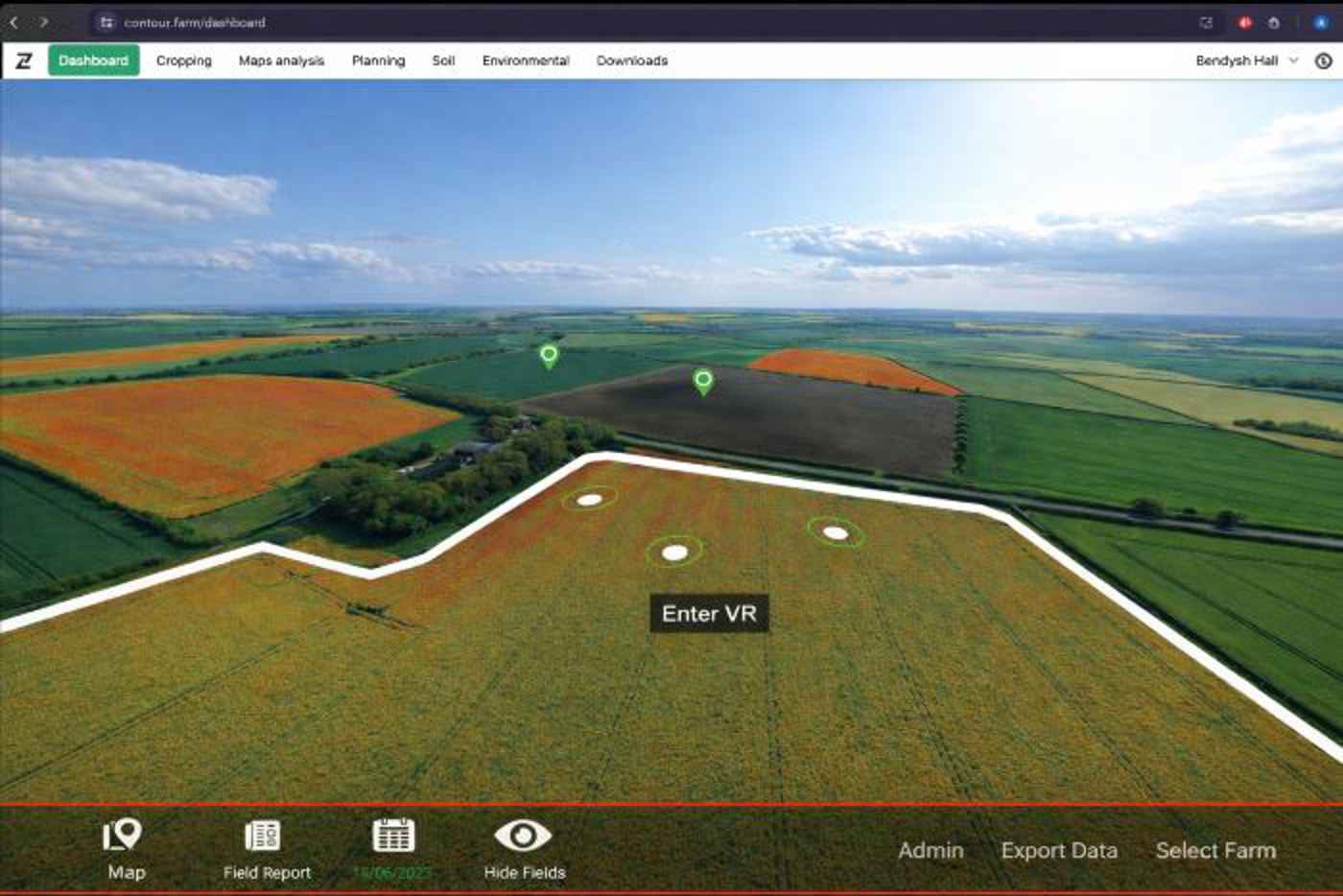
By combining all these technologies, the concept of the ‘Connected Farm’ is born.
Essentially, this refers to the interconnected use of these technologies, plus analytical software, to collect data from across all aspects of the farming operation to drive efficiencies at whole-farm level.
For example, sensors used to detect soil moisture will lead to accurate decisions about irrigation, and drone technology can then be used to monitor the health and yield of the developing crop.
Variable rate application can then be used to tailor nutrient and crop protection product applications, guided by GPS, which also ensures a high degree of accuracy during drilling and harvest.
Bringing all this data together provides a holistic view of a farming operation, enabling farmers and agronomists to make decision that create the biggest impacts and best outcomes.
The Future of Digital Farming
There is no halting the forward march of digital technology, which impacts on almost all aspects of our daily lives.
The integration of AI into precision farming, which is currently gathering pace, will undoubtedly have significant consequences for how crops are grown, how livestock are reared and bred, and for the farmer and how the role evolves to meet future challenges.
Data collection, data sharing across different parts of the farm, the speed of analysis and interpretation, and the sheer number of digital applications available to help farmers process information and make decisions, are all set to increase.
Add to this the rumble of autonomous vehicles somewhere over the horizon, and the traditional farm is set to look very different in the future.
But there is no need for concern.
Services like RHIZA will be here to support the industry through the changes ahead, and to work closely with farmers to generate the best outcomes for their farm, the environment, and the consumer.
RHIZA Digital Farming Knowledge Hub - Practical Guides and Insights
For those looking to explore the detail, we’ve created a growing library of technical guides covering soil performance, crop monitoring, compliance and precision decision support.
Digital Farming Knowledge Hub - Precision Agriculture Tools

Precision Agriculture

Using Satellite Imaging

What is Yield Mapping

Using Crop Growth Models

Crop Management Systems

Benefits of Using a Scouting APP
